


Where America can find trust
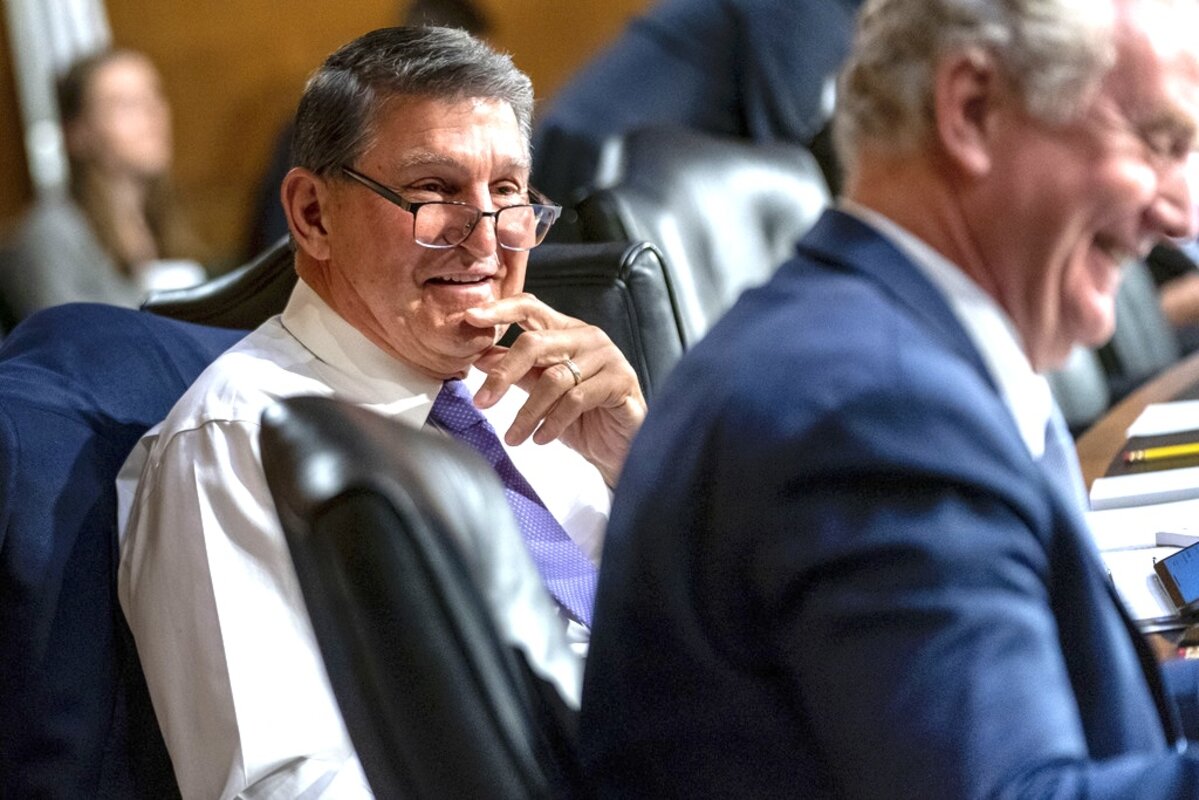
Here’s a stark example of polarization in Washington: As a Sept. 30 deadline looms over Congress to pass a spending bill, the two top Senate leaders from both parties are not talking to each other. And President Donald Trump backed out of negotiations with Democratic leaders on the bill.
This dearth of dialogue “encapsulates the partisan tensions that have raised the odds that ... government agencies will close at midnight Tuesday,” stated Politico.
The shutdown standoff in the capital may seem like the norm. Yet it does not reflect electoral trends or public attitudes in much of the United States. Last year’s election, for instance, revealed a large drop in polarization between groups of voters compared with the 2020 election, according to a survey from Harvard University and YouGov. The divide between the generations, genders, and rural and urban Americans actually shrank. “If these trends endure, they promise a new political era,” wrote Harvard law professor Nicholas O. Stephanopoulos in The Washington Post.
At the national level, trust is still in decline. Only 41% of Americans trust people “across the U.S.,” according to a survey last April for Allstate. Yet trust rises to 53% for local communities and 59% for next-door neighbors. And 87% of people say they are likely to increase the number of social interactions they have in their community in the next year.
“Small behaviors” in local areas, person by person, can build up trust nationally, the study concluded. “If I’m doing sandbags with you, or I’m walking through the Palisades fire ... we’re not going to be arguing about whether there should be tariffs or not,” Allstate’s chief executive officer, Tom Wilson, told the news site Semafor.
The key to better dialogue in Washington, says former Sen. Joe Manchin, is for politicians to bring out the better angels in each other. “People are talking about there’s a crusade coming. There’s war coming,” the former Democrat-turned-independent told NewsNation. “The only crusade this country needs right now is one of civility.
“How do we get back where we treat each other like human beings? ... Like, hey, we’re all in this together.”
In a new memoir, “Dead Center: In Defense of Common Sense,” Mr. Manchin cites the need for humility rather than the use of fear and hatred. “Listen with an open mind, embrace diverse perspectives and lead by bringing everyone to the table,” he wrote. No one person has all the answers.
Growing up in a minority religion (Catholicism) in a small West Virginia town taught him lessons about relationships. “I know that if you work hard and you try to give back more than what you’re willing to take out, they’re going to accept you,” he told NPR.
“They’ll love you. You’ll be fine.”


